
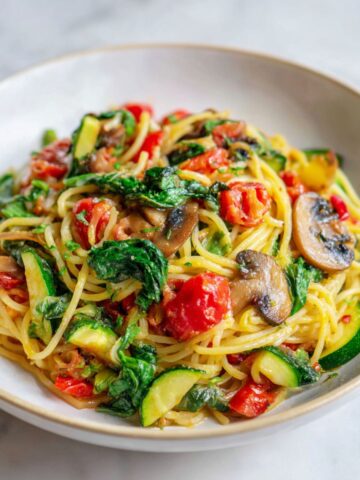
There's something magical about watching a block of feta cheese melt into silky, creamy perfection over hot pasta. This Feta Spaghetti Recipe has taken kitchens by storm, and for good reason. It's ridiculously simple, incredibly flavorful, and comes together faster than ordering takeout. Whether you're a college student cooking your first real meal or a busy parent rushing through dinner prep, this Feta Spaghetti Recipe delivers restaurant-quality results without the stress.
What makes this Feta Spaghetti Recipe special? It's all about the technique. You're essentially creating a luscious sauce from just a handful of ingredients; feta cheese, cherry tomatoes, garlic, and olive oil. The heat transforms these simple components into something extraordinary. No heavy cream needed, no complicated steps to follow. Just bold Mediterranean flavors that'll have everyone asking for seconds. Trust me, once you try this Feta Spaghetti Recipe, it'll become your go-to weeknight dinner.
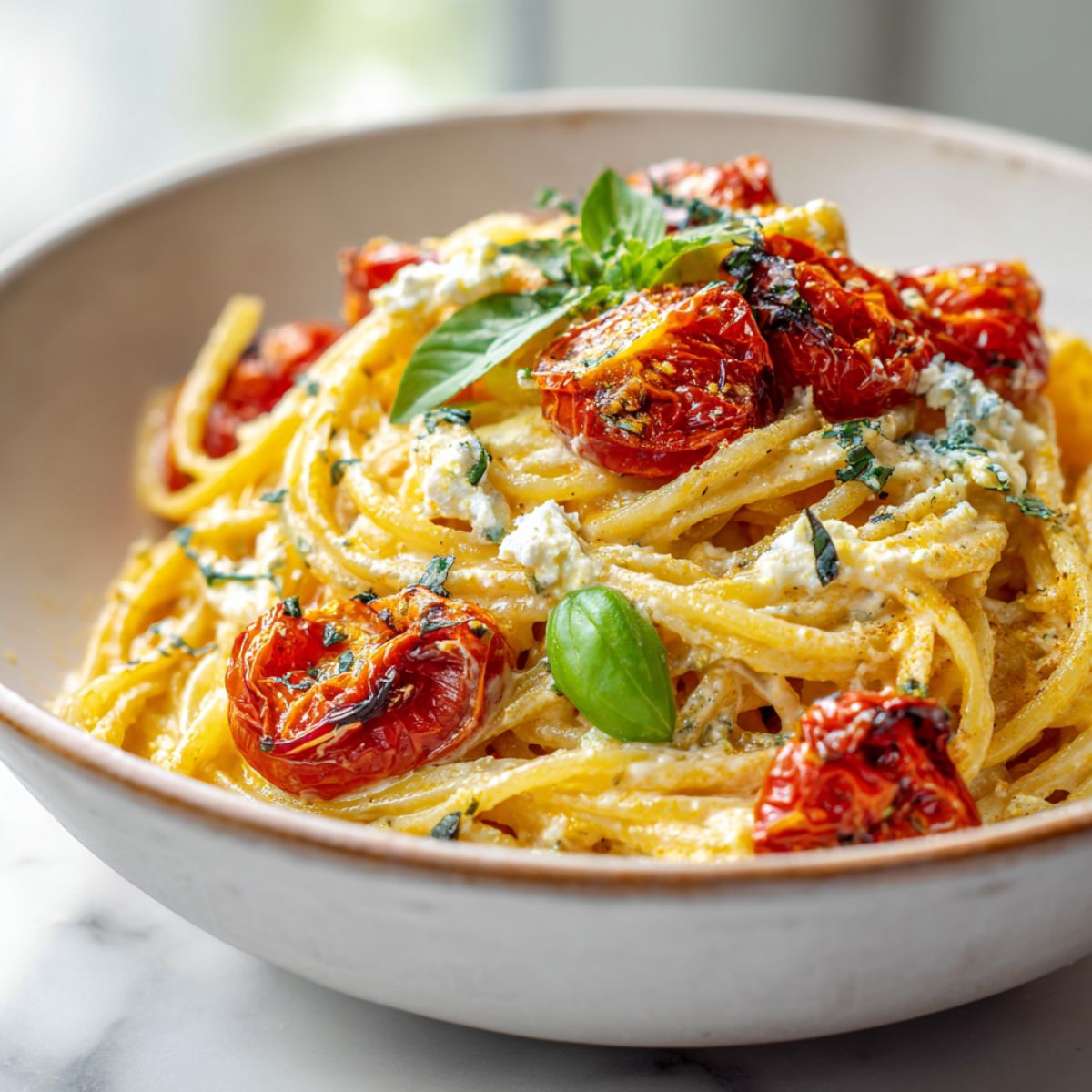
The Mediterranean Secret Behind This Viral Sensation
This dish isn't just another pasta recipe; it's a love letter to Mediterranean cooking. The combination of tangy feta cheese and sweet cherry tomatoes has been a staple in Greek and Italian kitchens for generations. What changed? Social media gave this Feta Spaghetti Recipe the spotlight it deserved, turning a traditional flavor pairing into a worldwide phenomenon. The beauty lies in how the salty, creamy feta melts into the pasta, coating every strand with rich, cheesy goodness.
The genius of this Feta Spaghetti Recipe is its simplicity. Unlike heavy Alfredo sauces or time-consuming Bolognese, this dish relies on quality ingredients doing what they do best. The tomatoes roast until jammy and sweet, the garlic becomes mellow and fragrant, and the feta transforms into a velvety sauce. It pairs beautifully with a crisp Greek salad or garlic bread. You can serve it as a main course or as a side dish for grilled chicken or fish. This Feta Spaghetti Recipe proves that sometimes the best meals come from the most straightforward combinations.
Jump to:
Ingredients
- Pasta water ; reserve this; it helps create the perfect sauce consistency
- Spaghetti ; any long pasta works, but spaghetti holds the sauce perfectly
- Block feta cheese ; don't use pre-crumbled; a solid block melts better and creates that creamy texture
- Cherry tomatoes ; these become sweet and jammy when roasted; grape tomatoes work too
- Garlic, minced ; fresh garlic is non-negotiable for maximum flavor
- Olive oil ; use good quality extra virgin for the best taste
- Dried oregano ; brings that authentic Mediterranean flavor
- Red pepper flakes ; optional, but adds a nice kick
- Salt and black pepper ; essential for bringing out all the flavors
- Fresh basil leaves ; for garnish and a pop of freshness
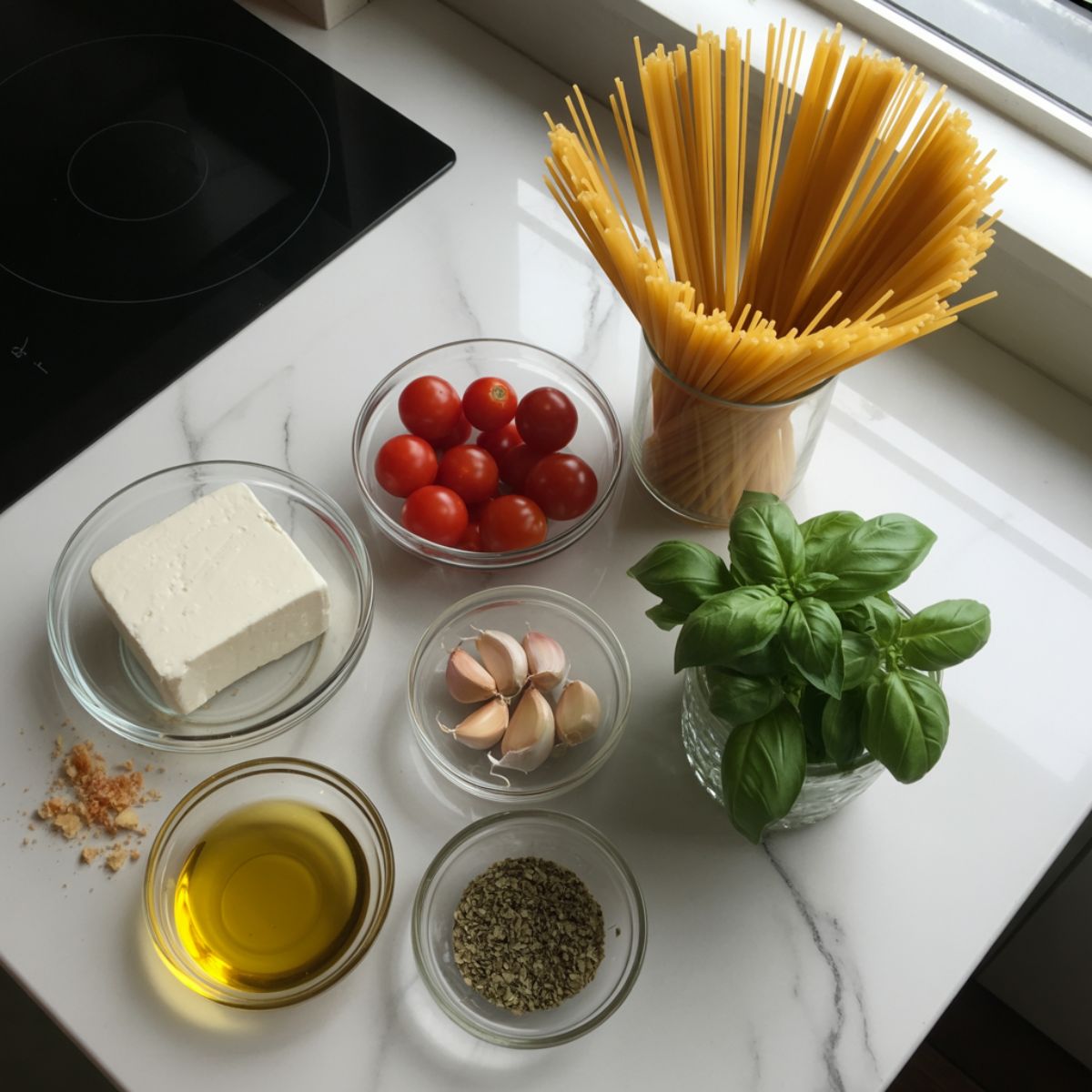
See recipe card for quantities.
Instructions
Prepare Your Ingredients
- Fill a large pot with water, add a generous pinch of salt, and bring to a rolling boil.
- While the water heats, rinse your cherry tomatoes and pat them dry with a paper towel.
- Mince your garlic cloves finely; you want them small enough to distribute evenly throughout the dish.
- Measure out your olive oil and set your block of feta cheese on the counter to come to room temperature slightly.
- Gather all your seasonings so they're ready when you need them.
Cook the Pasta and Start the Sauce
- Once the water boils vigorously, add your spaghetti and cook according to package directions until al dente; usually 8-10 minutes.
- While the pasta cooks, heat a large skillet or sauté pan over medium heat and add the olive oil.
- Toss in your cherry tomatoes and let them cook undisturbed for 3-4 minutes; you want them to blister and start bursting.
- Add the minced garlic, oregano, red pepper flakes, salt, and black pepper; stir everything together.
- Cook for another 2-3 minutes until the garlic becomes fragrant and the tomatoes have softened considerably.
- Before draining your pasta, scoop out ¼ cup of that starchy pasta water; set it aside.
Create the Creamy Feta Sauce
- Place your block of feta cheese right in the center of your tomato mixture.
- Let it sit for about 1 minute to start softening from the heat.
- Using a fork or wooden spoon, begin breaking up the feta and mashing it into the tomatoes.
- Keep stirring and mashing until the feta melts into a creamy, slightly chunky sauce.
- If the sauce seems too thick, add splashes of that reserved pasta water until you reach your desired consistency.
- Taste and adjust seasonings; add more salt, pepper, or red pepper flakes if needed.
Combine and Serve
- Serve immediately while it's hot and creamy; this Feta Spaghetti Recipe is best enjoyed fresh.
- Add your drained spaghetti directly into the skillet with the feta sauce.
- Using tongs, toss everything together vigorously for 1-2 minutes so every strand gets coated.
- The pasta will absorb some of the sauce and become even more flavorful.
- If the pasta seems dry, add a bit more pasta water and toss again.
- Remove from heat and tear fresh basil leaves over the top.
Expert Cooking Tips
Choose the Right Feta
- Not all feta cheese is created equal. Greek feta packed in brine has the best flavor and creamiest texture. Bulgarian feta works wonderfully too. Avoid the pre-crumbled stuff; it contains anti-caking agents that prevent it from melting smoothly. If your feta tastes too salty, soak it in cold water for 10 minutes before using.
Master the Tomato Technique
- The key to perfect cherry tomatoes is patience. Let them sit in the hot oil without stirring initially. This creates a nice char and concentrates their sweetness. Don't skip this step. Some tomatoes should burst open naturally, releasing their juices to create the sauce base. If they're not bursting, press down gently with your spoon.
Pasta Water is Liquid Gold
- Always reserve pasta water before draining. That starchy water is what transforms this Feta Spaghetti Recipe from good to incredible. It helps emulsify the feta into a silky sauce and adjusts consistency perfectly. Start with a little and add more as needed. Too much makes it soupy, but too little leaves it dry.
Timing Matters
- Don't let your pasta sit after draining. Drain it and immediately add it to your sauce. The residual heat helps everything meld together beautifully. Cold pasta won't absorb the flavors as well and can make the feta seize up instead of staying creamy.
Fresh vs. Dried Herbs
- While dried oregano works great during cooking, fresh herbs should only be added at the end. Fresh basil, parsley, or even mint add a bright finish that dried herbs can't match. Tear the leaves rather than chopping them; it releases more flavor and looks prettier.
Recipe Variations & Substitutions
Add Protein Power
- Transform this vegetarian dish into a heartier meal by adding protein. Grilled chicken strips work beautifully; just slice them thin and toss them in at the end. Shrimp is another fantastic option; sauté them separately with garlic and fold them into the finished pasta. For a Mediterranean twist, add cooked ground lamb seasoned with cumin and coriander. Chickpeas or white beans make excellent vegetarian protein additions; drain and rinse a can, then warm them in the sauce before adding pasta.
Vegetable Boosters
- While tomatoes are the star, other vegetables can join the party. Baby spinach wilts beautifully into the hot pasta; add it right before serving. Roasted red peppers from a jar add smoky sweetness; chop them and stir them in with the tomatoes. Zucchini coins sautéed until golden provide a nice textural contrast. For something different, try adding artichoke hearts or sun-dried tomatoes; both pair wonderfully with feta.
Make It Baked
- Turn this stovetop Feta Spaghetti Recipe into a stunning baked version. After combining everything, transfer to a baking dish, top with extra feta crumbles and breadcrumbs, then bake at 375°F for 15 minutes. The top gets golden and crispy while the inside stays creamy. This works great for meal prep or when feeding a crowd.
Sauce Modifications
- Want it extra creamy? Add a splash of heavy cream or Greek yogurt at the end. Prefer it lighter? Use less olive oil and add more cherry tomatoes. For a tangy kick, squeeze fresh lemon juice over the finished dish and add lemon zest. A spoonful of pesto stirred in creates an herbaceous variation that's absolutely delicious.
Spice It Up
- The basic recipe is mild, but you can easily adjust the heat. Double the red pepper flakes for noticeable spice. Add sliced jalapeños with the tomatoes for fresh heat. A dash of cayenne pepper or hot sauce works too. For a smoky flavor without heat, try smoked paprika.
Equipment Recommendations
- Large pasta pot ; at least 6-quart capacity for cooking spaghetti without crowding
- 12-inch skillet or sauté pan ; needs to be large enough to toss the pasta with sauce; non-stick or stainless steel both work
- Colander ; for draining pasta quickly; metal ones work better than plastic
- Measuring cups and spoons ; accuracy matters for the oil and seasoning ratios
- Wooden spoon or heatproof spatula ; for stirring and mashing the feta without scratching your pan
- Kitchen tongs ; essential for tossing the spaghetti with sauce; makes combining everything much easier
- Garlic press or sharp knife ; for mincing garlic efficiently; a microplane works great too
- Small ladle or measuring cup ; for scooping out that precious pasta water before draining
Budget-friendly tip: You don't need fancy equipment for this Feta Spaghetti Recipe. A basic pot and pan from any store will work perfectly. If you're missing tongs, two wooden spoons work in a pinch for tossing pasta.
Storage & Meal Prep Tips
Refrigerator Storage
- Store leftover Feta Spaghetti Recipe in an airtight container in the fridge for up to 3 days. The sauce may thicken as it cools; that's normal. When reheating, add a splash of water or olive oil to loosen it back up. Reheat gently on the stovetop over low heat, stirring frequently, or microwave in 30-second intervals. The feta won't be quite as creamy as when freshly made, but it's still delicious.
Freezing Instructions
- While this dish is best fresh, you can freeze it if needed. Let it cool completely, then transfer to freezer-safe containers, leaving some room for expansion. Freeze for up to 2 months. Thaw overnight in the refrigerator before reheating. The texture might be slightly different; the feta can become grainier after freezing, but the flavor remains good.
Meal Prep Strategy
- Want to prep ahead? Cook the tomato and garlic mixture in advance and store it separately from the pasta. When ready to eat, cook fresh pasta and reheat the sauce, then combine. You can also prep all your ingredients; chop garlic, measure spices, and portion out the feta so assembly is quick. The complete dish doesn't meal prep as well as the components separately.
Best Reheating Method
- The stovetop method gives the best results. Add your leftover pasta to a pan with a few tablespoons of water or olive oil. Heat over medium-low, stirring constantly until warmed through. This revives the creamy texture better than microwaving. If using a microwave, add liquid and stir halfway through heating.
The Two-Ingredient Secret That Changes Everything
Here's something most recipes won't tell you: the quality of your olive oil makes or breaks this dish. Since olive oil is a major flavor component in this Feta Spaghetti Recipe, using cheap, flavorless oil results in a flat-tasting pasta. Invest in a bottle of good extra virgin olive oil. You'll taste the difference immediately. The fruity, peppery notes of quality oil create depth that elevates every bite. It doesn't have to be expensive; just look for cold-pressed extra virgin with a harvest date on the bottle.
The second secret? Don't drain your tomatoes completely. When they burst and release their juices, that liquid is pure flavor. Some people worry it makes the dish too wet, so they drain it off. Big mistake. Those juices combine with the olive oil and melted feta to create the sauce base. If your Feta Spaghetti Recipe turns out too thick or dry, it's usually because the tomato juices were discarded. Let them stay in the pan and watch the magic happen. This simple adjustment transforms the dish from good to absolutely crave-worthy.
FAQ
Does feta cheese taste good on spaghetti?
Absolutely! Feta's tangy, salty flavor pairs beautifully with pasta. When melted, it creates a creamy sauce that's lighter than Alfredo but just as satisfying. The combination of feta with tomatoes and garlic in this Feta Spaghetti Recipe is particularly delicious. If you've never tried it, you're in for a treat. The Mediterranean flavors work perfectly with spaghetti's neutral taste.
Can you use feta cheese with pasta?
Yes, feta works wonderfully with pasta. While it's not a traditional Italian cheese, it melts into a creamy, flavorful sauce when heated. Block feta works better than crumbled because it contains more moisture and melts smoothly. Feta adds a tangy complexity that you don't get from mozzarella or parmesan. This Feta Spaghetti Recipe proves just how well these ingredients work together.
Does feta melt into pasta sauce?
Feta does melt, but not like mozzarella. It softens and becomes creamy rather than stretchy. When you mash it with hot tomatoes and pasta water, it creates a thick, luscious sauce with small chunks throughout. The key is using block feta, not crumbled, and giving it time to warm through before stirring. The starches from the pasta water help emulsify the feta into a smooth coating for your Feta Spaghetti Recipe.
When should I add feta to my pasta?
Add feta after your tomato mixture is hot and your pasta is cooked. Place the feta block in the center of your hot tomato mixture and let it soften for about a minute before mashing it in. If you add it too early, it can become rubbery. Adding it at the right moment ensures it melts into that signature creamy texture. For this Feta Spaghetti Recipe, timing the feta addition correctly makes all the difference in achieving the perfect consistency.
More Mediterranean Magic to Try
Now that you've mastered this Feta Spaghetti Recipe, your kitchen confidence is probably through the roof. Keep that momentum going with two more crowd-pleasing recipes that'll become instant favorites. If you loved how quickly this pasta came together, you'll appreciate these equally simple but impressive dishes.
The Chicken Fajita Casserole Recipe brings that same one-pan ease with bold Tex-Mex flavors. It's perfect for those nights when you want something hearty and satisfying without spending hours in the kitchen. And if you're craving something with Italian flair similar to our Feta Spaghetti Recipe, the Chicken Parmesan Recipe delivers crispy, cheesy comfort food that's surprisingly easy to make at home. Both recipes follow the same philosophy: simple ingredients, smart techniques, and maximum flavor. Try them next and watch your weeknight dinner rotation completely transform.
Signature Block-By Lisa Johnson✨
Related
Looking for other recipes like this? Try these:

Pairing
These are my favorite dishes to serve with Feta Spaghetti Recipe


Feta Spaghetti Recipe
Equipment
- 1 Large pasta pot For boiling spaghetti
- 1 12-inch skillet or sauté pan For cooking sauce and combining pasta
- 1 Colander To drain pasta quickly
- 1 Measuring cup For reserving pasta water
- 1 Wooden spoon For stirring and mashing feta
- 1 Kitchen tongs For tossing spaghetti with sauce
- 1 Garlic press or sharp knife For mincing garlic
- 1 Measuring spoons For oil and seasoning accuracy
Ingredients
- 8 oz Spaghetti Any long pasta works
- 8 oz Feta cheese block Use block, not pre-crumbled
- 2 cups Cherry tomatoes Or grape tomatoes
- 4 cloves Garlic Minced finely
- ⅓ cup Olive oil Use good quality extra virgin
- 1 teaspoon Dried oregano Adds Mediterranean flavor
- 0.5 teaspoon Red pepper flakes Optional, for mild heat
- to taste Salt and black pepper Adjust to preference
- handful Fresh basil leaves For garnish
- ¼ cup Pasta water Reserved before draining
Instructions
- Boil salted water, cook spaghetti until al dente.
- Heat olive oil in skillet, add cherry tomatoes; cook until blistered.
- Add garlic, oregano, red pepper flakes, salt, and pepper; stir.
- Place block of feta in center, let soften, then mash into sauce.
- Add reserved pasta water gradually until creamy.
- Toss spaghetti in sauce until fully coated.
- Garnish with basil and serve immediately.
Notes
- Nutrition information is automatically calculated, so should only be used as an approximation.
Leave a Reply