
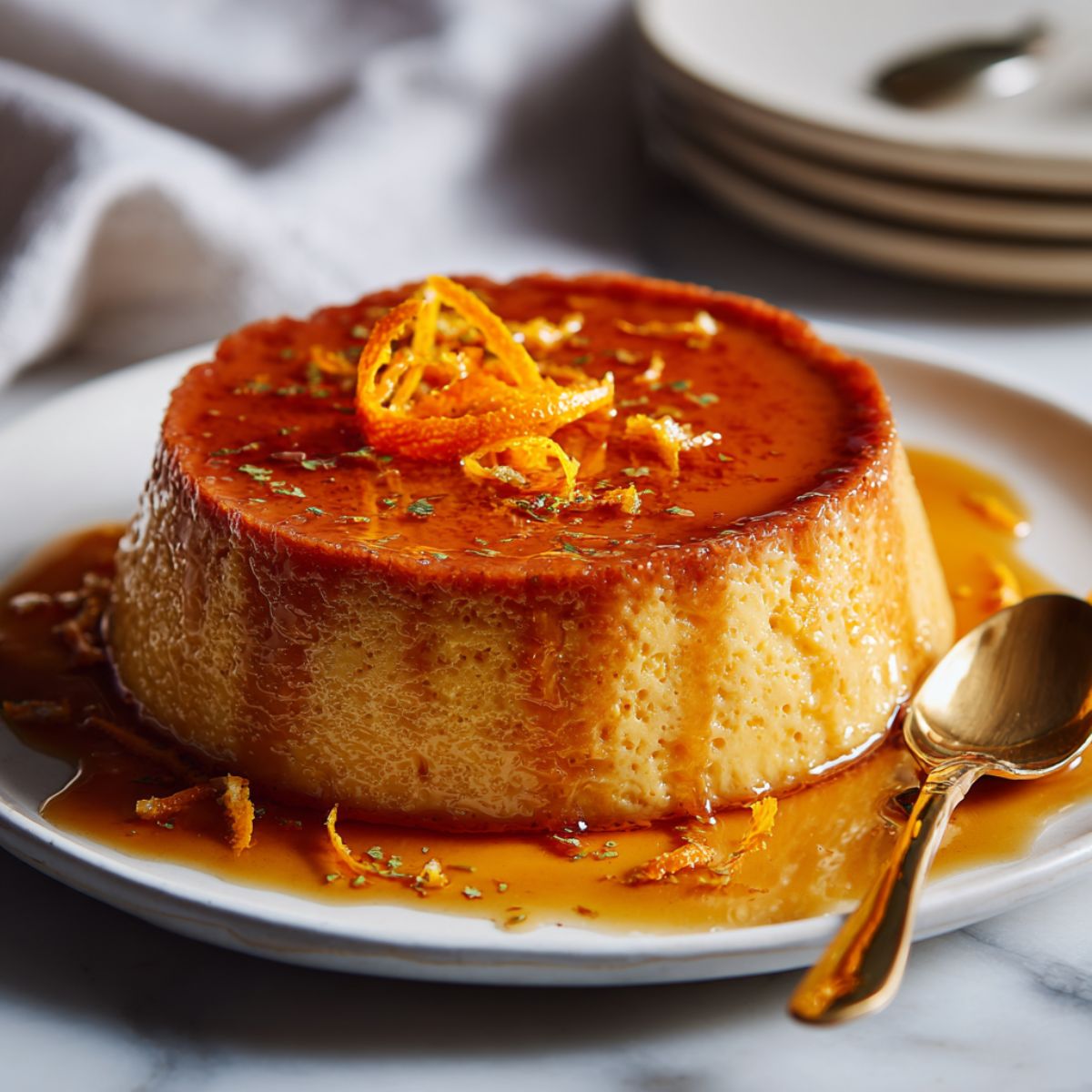
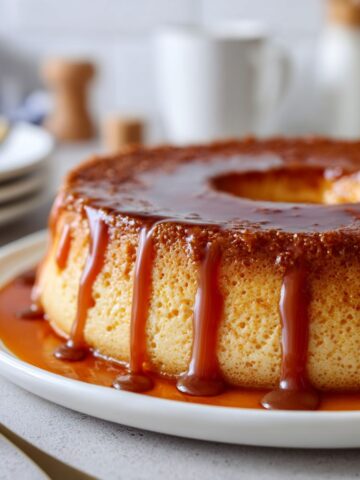
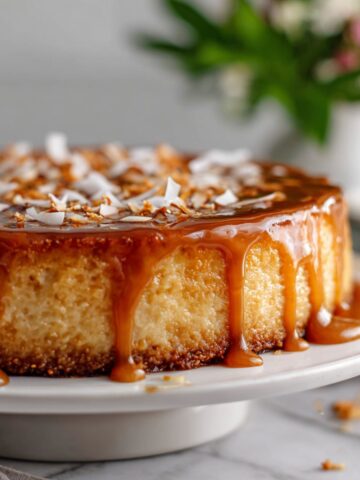
There's something magical about slicing into a perfectly set flan and watching that amber caramel cascade down its silky sides. My grandmother used to make this Orange Flan Recipe every Sunday, and the citrus twist she added transformed a classic dessert into something truly unforgettable. The bright, zesty notes cut through the richness beautifully, creating a dessert that feels both indulgent and refreshing at the same time.
This Orange Flan Recipe combines traditional custard-making techniques with fresh orange flavor that'll have everyone asking for seconds. Whether you're planning a special dinner or simply craving something sweet, this citrus caramel custard delivers restaurant-quality results right from your home kitchen. The best part? You probably have most ingredients sitting in your fridge already.
Why This Citrus Twist Changes Everything
Traditional flan is wonderful, but adding orange takes this Spanish orange custard to another level entirely. The citrus flan dessert has roots in Mediterranean cooking, where cooks have been pairing orange with creamy desserts for centuries. The acidity from fresh orange zest balances the sweetness perfectly, preventing that heavy feeling you sometimes get from regular custards.
This homemade orange dessert works beautifully for summer gatherings when you want something light yet satisfying. The creamy orange custard dessert pairs wonderfully with coffee or tea, and it's fancy enough for holidays without being complicated. Making your own flan de naranja connects you to generations of home cooks who understood that simple ingredients, when treated with care, create the most memorable meals.
Jump to:
Ingredients
For the Caramel
- Granulated sugar
- Water
For the Custard
- Salt
- Large eggs
- Sweetened condensed milk
- Evaporated milk
- Whole milk
- Fresh oranges (for zest)
- Fresh orange juice
- Vanilla extract
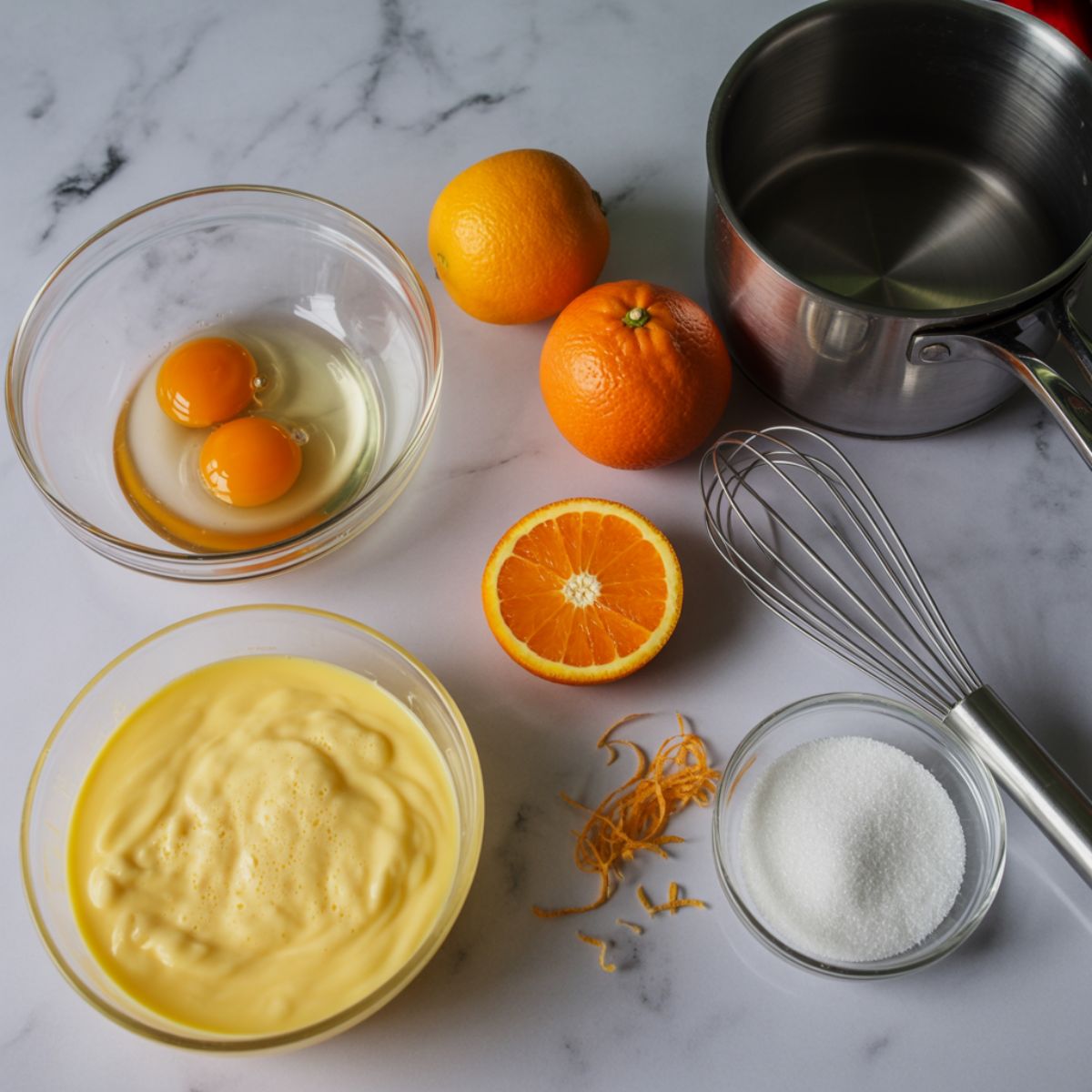
See recipe card for quantities.
Instructions
Creating the Perfect Caramel
- Pour sugar and water into a medium saucepan over medium heat
- Swirl the pan gently; don't stir with a spoon or you'll get crystals
- Watch carefully as the mixture turns from clear to golden amber (about 8-10 minutes)
- Remove from heat immediately when it reaches a deep amber color
- Pour the hot caramel into your flan mold, tilting to coat the bottom evenly
- Work quickly because caramel hardens fast
- Set aside to cool while you prepare the custard
Pro tip: If the caramel hardens before you spread it fully, don't worry; it'll melt again during baking.
Mixing Your Citrus Custard
- Preheat your oven to 350°F (175°C)
- Crack eggs into a large mixing bowl and whisk until smooth
- Add condensed milk, evaporated milk, and whole milk
- Whisk everything together until completely combined
- Add orange zest, fresh orange juice, vanilla, and salt
- Blend gently; you don't want too many bubbles in your mixture
- Strain the mixture through a fine-mesh sieve for ultra-smooth results
This step ensures your orange custard with caramel will have that professional silky texture everyone loves.
The Water Bath Setup
- Place your caramel-coated mold inside a larger baking pan
- Pour the custard mixture carefully into the mold over the caramel
- Transfer the setup to your oven rack
- Pour hot water into the outer pan until it reaches halfway up the flan mold
- Cover the entire setup loosely with aluminum foil
- Bake for 50-60 minutes until the center jiggles slightly but doesn't slosh
- Remove from oven and let cool in the water bath for 30 minutes
The water bath is crucial for even cooking and preventing cracks in your Spanish-style orange flan.
Chilling and Unmolding
- Lift the mold away slowly to reveal your masterpiece
- Remove the flan mold from the water bath carefully
- Let it cool to room temperature on a wire rack
- Refrigerate for at least 4 hours, though overnight is better
- Run a thin knife around the edges before unmolding
- Place your serving plate on top of the mold
- Flip quickly and confidently in one smooth motion
Expert Cooking Tips
- Temperature Control Matters Getting your oven temperature right makes all the difference. If it's too hot, your flan will have bubbles and a rough texture. Use an oven thermometer to verify accuracy, and remember that opening the oven door drops the temperature significantly.
- The Caramel Timing Sugar burns quickly once it starts browning. Remove your caramel from heat when it's a shade lighter than you want; it'll continue darkening from residual heat. If you accidentally burn it, start over rather than trying to salvage it.
- Zesting Techniques Only zest the orange part of the peel. The white pith underneath tastes bitter and will ruin your light orange pudding recipe. Use a microplane for the finest zest that distributes flavor evenly throughout the custard.
- Bubble Prevention After mixing your custard, let it sit for 5 minutes, then skim off any foam from the top. Straining through a fine-mesh sieve catches any bits of cooked egg or unmixed ingredients that could create texture issues.
- Testing for Doneness Your flan is ready when the edges are set but the center still wobbles like jelly. It'll continue cooking from residual heat after you remove it. Overbaking creates a rubbery texture instead of that creamy consistency we're after.
- Patience with Chilling Don't rush the refrigeration. A properly chilled flan unmolds cleanly and slices beautifully. If you're serving it the same day, make it first thing in the morning so it has maximum chill time.
Recipe Variations & Substitutions
Flavor Twists
- Orange and Cream Cheese Flan Add 8 oz of softened cream cheese to your custard mixture for an extra-rich version. Blend it thoroughly with the eggs before adding the milk ingredients. This creates a denser, cheesecake-like texture that's absolutely decadent.
- Orange Liqueur Flan Replace 2 tablespoons of orange juice with Grand Marnier or Cointreau for an adult version. The alcohol cooks off mostly, leaving behind sophisticated flavor notes that complement the citrus beautifully.
- Orange and Vanilla Flan Use the seeds from one vanilla bean instead of extract for a more complex flavor profile. Split the bean lengthwise, scrape out the seeds, and add both seeds and pod to the milk while warming it, then remove the pod before mixing.
Dietary Modifications
- Gluten Free Orange Flan Recipe Good news; traditional flan is naturally gluten-free already! Just verify that your vanilla extract doesn't contain any gluten-containing additives. This makes it perfect for guests with celiac disease or gluten sensitivity.
- Lower Sugar Version Reduce the caramel sugar to ¾ cup and use a reduced-sugar condensed milk. The result won't be quite as sweet, but the orange flavor shines through even more prominently this way.
- Individual Servings Divide the mixture among 6-8 ramekins instead of one large mold. Reduce baking time to 30-35 minutes. Individual portions look elegant for dinner parties and make serving easier.
Equipment Recommendations
- Round flan mold (8-9 inch) ; the traditional choice with a flat bottom for even caramel distribution
- Heavy-bottomed saucepan ; prevents hot spots that burn sugar unevenly
- Fine-mesh sieve ; essential for achieving that silky-smooth texture
- Large roasting pan ; serves as your water bath container for gentle cooking
- Instant-read thermometer ; helps verify your oven temperature accuracy
- Microplane zester ; creates fine orange zest that blends seamlessly into custard
- Offset spatula or thin knife ; perfect for releasing the edges during unmolding
Budget-friendly tip: A regular cake pan works fine if you don't have a flan mold. Just make sure it's deep enough to hold all the custard.
Storage & Meal Prep Tips
Refrigerator Storage
- Keep your finished flan covered in the refrigerator for up to 5 days. The caramel continues to soften and create more sauce as it sits, which actually improves the presentation. Cover it loosely with plastic wrap to prevent it from absorbing other fridge odors.
Freezing Instructions
- While technically possible, freezing isn't recommended for this Orange Flan Recipe. The texture changes significantly when frozen and thawed, becoming grainy instead of smooth. If you must freeze it, wrap tightly and consume within 2 weeks, then thaw slowly in the refrigerator overnight.
Make-Ahead Strategy
- This dessert is actually better when made a day ahead. The flavors develop more fully, and the caramel has time to create that beautiful liquid coating. Make it Saturday evening for Sunday dinner, or prepare it Thursday night for weekend entertaining.
Serving Temperature
- Serve your citrus flan dessert chilled, directly from the refrigerator. Some people prefer it at room temperature, which takes about 30 minutes on the counter. Never serve it warm; the custard won't have the proper consistency.
The Grandmother's Secret That Changed Everything
Here's what most recipes won't tell you about making the perfect Orange Flan Recipe: the secret lies in letting your custard mixture rest for 15 minutes before baking. This simple pause allows tiny air bubbles to rise and pop naturally, guaranteeing you'll get that flawless, smooth texture professionals achieve. My grandmother always said patience can't be rushed, and nowhere is this truer than with flan.
The second game-changing trick involves the caramel. After coating your mold, sprinkle just a tiny pinch of sea salt over the hot caramel before adding the custard. This enhances the caramel's complexity and creates an incredible contrast with the sweet Orange Flan Recipe custard. It's such a subtle addition that most people can't identify it, but everyone notices something special about the flavor.
FAQ
What is the difference between Mexican and Spanish flan?
Mexican flan typically uses more eggs and has a denser, richer texture, while Spanish flan is lighter and creamier with a higher milk-to-egg ratio. This Orange Flan Recipe follows the Spanish style with its silky, delicate consistency. Mexican versions often include cream cheese, while Spanish versions stick to simple milk and eggs.
What is a common mistake when making flan?
The biggest mistake is overbaking, which creates a rubbery texture with air pockets instead of silky smoothness. Your Orange Flan Recipe is done when the edges are set but the center still wobbles gently. Many people also make the caramel too dark, which adds bitterness rather than the pleasant sweetness we want.
What is Mexican flan made of?
Mexican flan contains eggs, sweetened condensed milk, evaporated milk, vanilla, and often cream cheese for extra richness. Some regional variations add cinnamon or use cajeta (goat's milk caramel) instead of regular caramel. The Orange Flan Recipe variation adds citrus elements that aren't traditionally Mexican but create a wonderful fusion.
What is the difference between Leche Flan and regular flan?
Leche flan is the Filipino version that uses significantly more egg yolks (often 10-12) and condensed milk, creating an extremely rich, yellow custard. Regular flan uses whole eggs and includes regular milk alongside condensed milk, resulting in a lighter color and texture. Both are delicious, but leche flan is definitely the more indulgent choice.
Wrapping Up Your Citrus Creation
This Orange Flan Recipe brings together the best of traditional custard-making with a refreshing citrus twist that'll impress everyone at your table. The combination of silky texture, bright orange flavor, and amber caramel creates a dessert that feels both elegant and comforting. Once you master this technique, you'll find yourself making it for every special occasion.
Now that you've conquered this Orange Flan Recipe, why not try our Prosciutto Puff Pastry Recipe for a savory appetizer that balances perfectly with sweet desserts? Or explore our Berry Puff Pastry Recipe for another fruit-forward treat that'll round out your dessert repertoire. Drop a comment below sharing how your flan turned out, and don't forget to rate this recipe so others can discover it too!
With love and a sprinkle of citrus joy
By Lisa Johnson💛
Related
Looking for other recipes like this? Try these:
Pairing
These are my favorite dishes to serve with Orange Flan Recipe
Orange Flan Recipe
Equipment
- 1 Round flan mold (8–9 inch) Ensures even caramel distribution
- 1 Heavy-bottomed saucepan Prevents sugar from burning unevenly
- 1 Fine-mesh sieve For ultra-smooth custard texture
- 1 Large roasting pan Used for the water bath
- 1 Instant-read thermometer Helps check oven accuracy
- 1 Microplane zester Creates fine orange zest
- 1 Offset spatula or thin knife To release flan from mold
Ingredients
Caramel
- 1 cup Granulated sugar For caramel layer
- 3 tablespoon Water Helps sugar dissolve evenly (use orange juice for extra flavor)
Custard
- 6 large Eggs Provides structure and silky texture
- 1 can (14 oz) Sweetened condensed milk Adds richness and sweetness
- 1 can (12 oz) Evaporated milk Adds creaminess without heaviness
- 1 cup Whole milk Balances texture (2% also works)
- 2 large Oranges Zest only, for bright citrus flavor
- ¼ cup Fresh orange juice Reinforces orange flavor
- 1 teaspoon Vanilla extract Adds depth
- 1 pinch Salt Enhances flavors
Instructions
- Make Caramel: Combine sugar and water, heat until amber and pour into mold.
- Whisk Custard: Mix eggs, condensed milk, evaporated milk, whole milk, zest, juice, vanilla, and salt. Strain.
- Prepare Water Bath: Place mold in pan, fill halfway with hot water. Cover loosely with foil.
- Bake: Bake at 350°F (175°C) for 50–60 min until center jiggles slightly.
- Cool: Let flan rest 30 min in water bath, then chill 4 hours or overnight.
- Unmold: Run knife around edges, flip onto plate, and serve with caramel sauce.
Notes
- Nutrition information is automatically calculated, so should only be used as an approximation.
Leave a Reply