
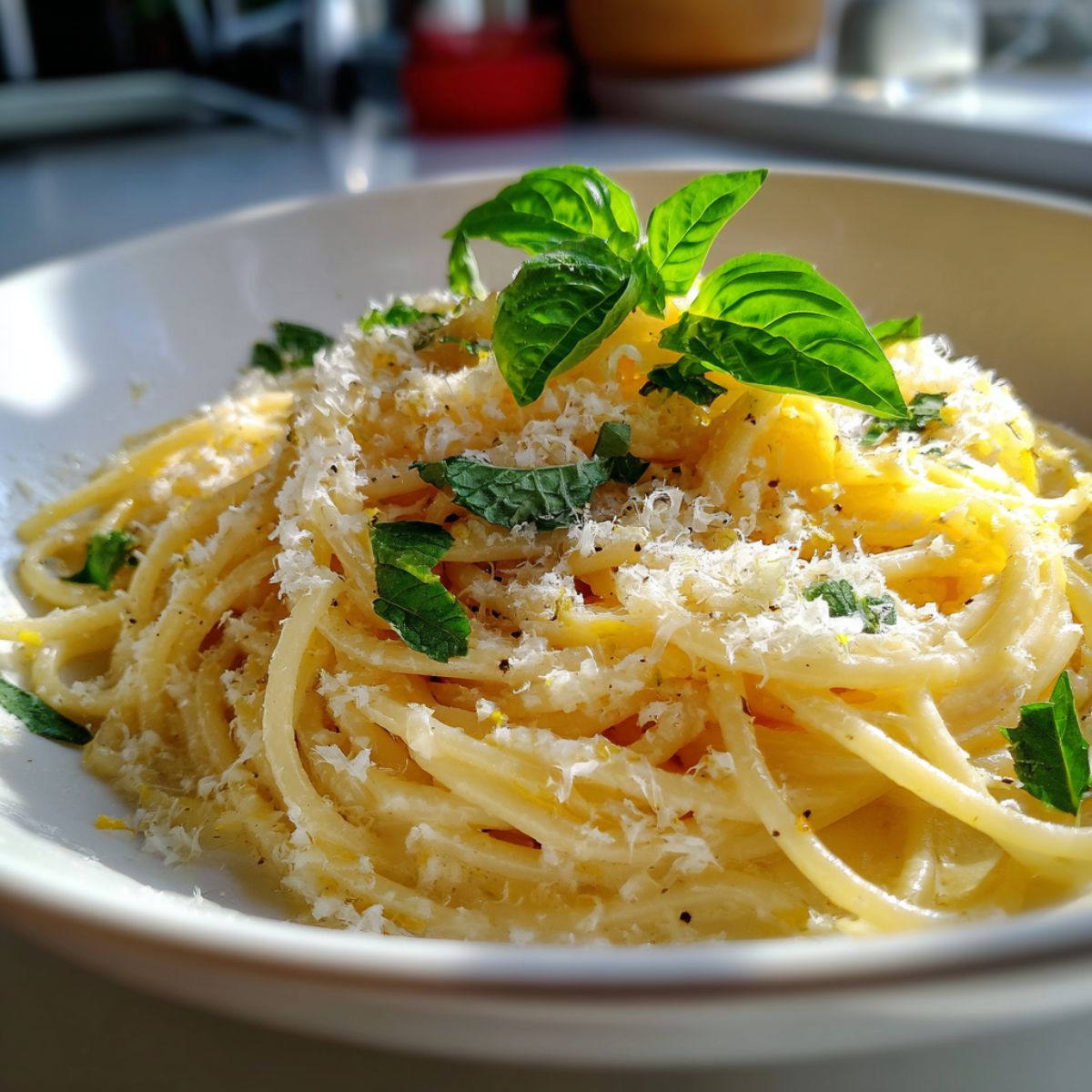
There's something magical about twirling lemon spaghetti recipe perfection on your fork; a dish so simple yet so stunning that it feels like a warm Italian hug. I've made this countless times for weeknight dinners and weekend gatherings, and every single time, someone asks for the recipe. The beauty lies in its simplicity: fresh lemon juice, quality olive oil, and a handful of pantry staples transform ordinary spaghetti into something extraordinary.
What makes this lemon spaghetti recipe truly special is how it balances bright citrus notes with creamy, savory undertones. Whether you're rushing through a busy Tuesday or hosting friends for dinner, this dish delivers restaurant-quality results without the stress. Trust me, once you nail this lemon spaghetti recipe, it'll become your go-to comfort food that never disappoints.
Why This Italian Classic Never Goes Out of Style
Italian lemon pasta, or spaghetti al limone, has graced Mediterranean tables for generations, and for good reason. This lemon spaghetti recipe captures everything we love about Italian cooking: fresh ingredients, bold flavors, and effortless elegance. The dish originated in southern Italy, where lemon trees grow abundantly, making it a natural choice for home cooks who wanted to create something memorable without complicated techniques.
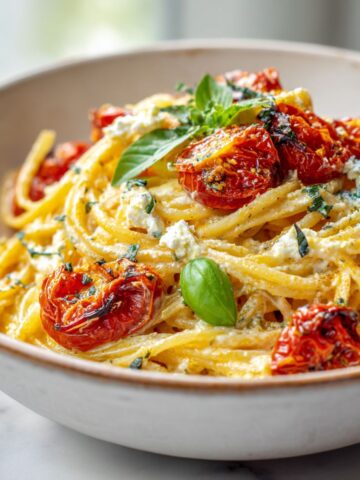
This zesty pasta pairs beautifully with grilled chicken, pan-seared shrimp, or even a simple arugula salad. It's versatile enough for summer gatherings when you crave something light and refreshing, yet comforting enough for cooler evenings when you need a quick weeknight pasta recipe. The creamy lemon sauce clings perfectly to each strand of spaghetti, creating that satisfying bite that keeps you coming back for more.
Jump to:
Ingredients
- Spaghetti ; Any quality brand works, though bronze-cut pasta holds sauce better
- Lemons ; You'll need both zest and juice for maximum flavor
- Extra virgin olive oil ; Use the good stuff; it makes a noticeable difference
- Garlic, minced ; Fresh garlic is non-negotiable for authentic taste
- Freshly grated Parmesan cheese ; Pre-shredded won't give you that creamy texture
- Reserved pasta water ; This starchy liquid is your secret weapon
- Salt and black pepper ; Season generously
- Fresh basil leaves ; For garnish and that herbaceous note
Optional Add-ins
- Toasted pine nuts ; For crunch and richness
- Heavy cream ; For an extra creamy lemon sauce
- Red pepper flakes ; If you like a gentle kick
- Capers ; Adds briny complexity
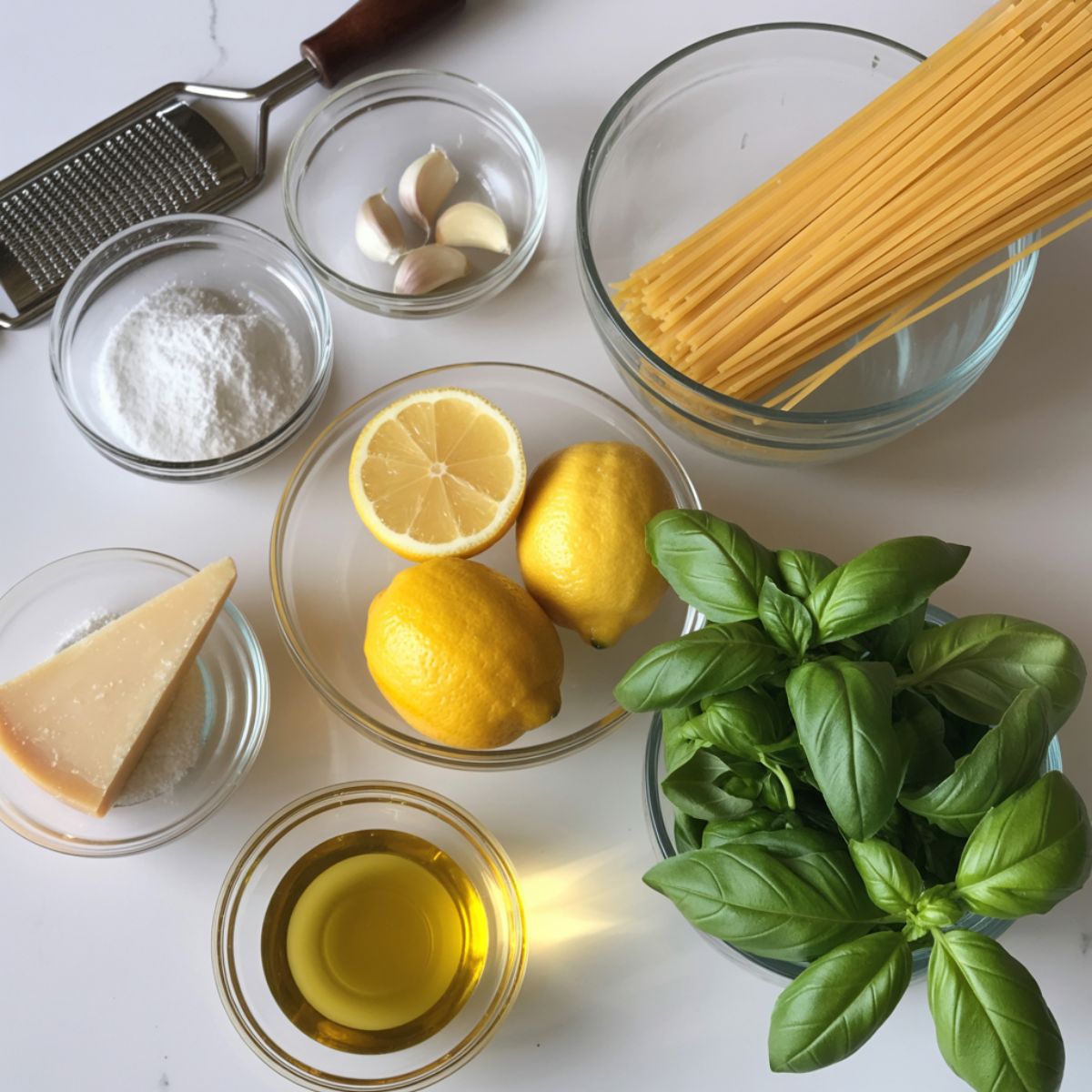
See recipe card for quantities.
Instructions
Prep Your Ingredients
- Fill a large pot with water, add a generous handful of salt, and bring to a rolling boil
- Zest all three lemons using a microplane or fine grater, being careful to avoid the bitter white pith
- Juice the lemons into a small bowl; you should have about ⅓ cup of fresh lemon juice
- Mince the garlic cloves finely and set aside
- Grate your Parmesan cheese fresh; this takes just 2 minutes and makes all the difference
- Tear basil leaves roughly and keep them ready for finishing
Pro tip: Zest lemons before juicing them; it's nearly impossible to zest a juiced lemon. Roll lemons firmly on the counter before juicing to extract maximum juice.
Cook the Pasta
- Add spaghetti to boiling water and cook until al dente, typically 8-10 minutes
- Stir occasionally during the first 2 minutes to prevent sticking
- About 1 minute before draining, scoop out 1 cup of pasta water using a ladle
- Drain the spaghetti but don't rinse it; you want that starchy coating
- Return the drained pasta to the pot briefly to keep it warm
Expert tip: Slightly undercook your pasta by 1 minute; it'll finish cooking when you toss it with the sauce, absorbing all those bright lemon flavors.
Create the Lemon Garlic Sauce
- In a large skillet over medium-low heat, warm the olive oil for about 30 seconds
- Add minced garlic and sauté for 60-90 seconds until fragrant but not browned
- Remove the pan from heat and immediately add lemon juice and zest
- Whisk in half the Parmesan cheese until it starts to melt
- Add ¼ cup of reserved pasta water and whisk until you have a smooth, glossy sauce
- Season with salt and freshly ground black pepper to taste
Important note: Keep the heat low when adding cheese to prevent it from clumping or becoming grainy. The residual heat will melt it perfectly.
Bring It All Together
- Serve immediately while hot with extra Parmesan on the side
- Add the cooked spaghetti directly to the skillet with your lemon sauce
- Toss vigorously using tongs for 1-2 minutes, adding more pasta water as needed
- The sauce should coat each strand beautifully without being too thick or watery
- Add the remaining Parmesan and toss again
- Taste and adjust seasoning; you might want more lemon juice or a pinch more salt
- Remove from heat and garnish with torn basil leaves
Expert Cooking Tips
Temperature Control Matters
- Keep your heat moderate: When working with lemon and cheese, high heat is your enemy. Medium-low to medium heat prevents the sauce from breaking or the cheese from turning grainy. If you notice the cheese clumping, immediately remove from heat and add a splash more pasta water while stirring vigorously.
The Pasta Water Secret
- That starchy liquid is liquid gold: Don't skip reserving pasta water. The starch acts as a natural emulsifier, helping oil and cheese blend into a cohesive sauce. Add it gradually, a few tablespoons at a time, until you achieve that glossy, clingy consistency that makes this dish special.
Fresh vs. Bottled Lemon Juice
- Always choose fresh: Bottled lemon juice contains preservatives and lacks the bright, vibrant flavor of fresh lemons. The difference is dramatic. Fresh lemon zest adds aromatic oils that bottled juice simply can't replicate. If you're making this dish, fresh lemons are worth the small extra effort.
Timing Is Everything
- Work quickly once pasta is drained: This dish comes together fast, and you want to serve it immediately. Have all your ingredients prepped and ready before you start cooking. The pasta should still be steaming when you toss it with the sauce for optimal absorption.
Cheese Grating Technique
- Freshly grated changes everything: Pre-shredded cheese contains anti-caking agents that prevent it from melting smoothly. Spend 90 seconds grating fresh Parmesan, and you'll taste the difference in every bite of your creamy lemon pasta.
Balancing Acid and Richness
- Taste as you go: Some lemons are more acidic than others. Start with less lemon juice than the recipe calls for, then add more to taste. The olive oil and cheese provide richness that should balance the bright acidity without overwhelming it.
Recipe Variations & Substitutions
Protein Additions for Heartier Meals
- Lemon spaghetti with chicken: Slice grilled chicken breast thinly and toss it in during the final step. The lemon sauce complements chicken beautifully. For lemon spaghetti with shrimp, sauté 1 pound of peeled shrimp with garlic before adding the lemon juice, then proceed with the recipe.
- Vegetarian protein options: White beans or chickpeas add substance without meat. Rinse a can of cannellini beans and warm them in the sauce before adding pasta. Toasted walnuts or pine nuts provide protein and satisfying crunch.
Dairy-Free and Vegan Adaptations
- Replace Parmesan with nutritional yeast for a vegan version; use ⅓ cup for similar cheesy flavor. Cashew cream creates richness without dairy. Blend ½ cup soaked cashews with ¼ cup water until smooth, then stir into your sauce.
Low-Carb and Gluten-Free Options
- Zucchini noodles work wonderfully: Spiralize 4 large zucchini and sauté them for just 2-3 minutes before tossing with the lemon sauce. For gluten-free pasta, use brown rice spaghetti or chickpea pasta, which both hold up well to this sauce.
Herb Variations Beyond Basil
- Fresh mint adds an unexpected Mediterranean twist. Parsley provides a classic Italian touch without competing with the lemon. Dill creates a surprisingly delicious combination, especially if you're adding salmon to the dish.
Creamy vs. Light Versions
- For creamy lemon spaghetti: Add ¼ cup heavy cream or mascarpone after removing from heat. This creates a richer sauce similar to lemon Alfredo. For the lightest version, skip cream entirely and let the pasta water and olive oil create a naturally silky sauce.
Equipment Recommendations
- Large 8-quart pot for boiling pasta ; Gives spaghetti room to move and prevents sticking
- 12-inch skillet or sauté pan ; Wide surface area makes tossing pasta easier
- Microplane or fine grater ; Essential for fluffy lemon zest without bitter pith
- Sturdy kitchen tongs ; The best tool for tossing spaghetti evenly
- Ladle for pasta water ; Helps you measure and add starchy water gradually
- Box grater or rotary grater ; For fresh Parmesan that melts beautifully
- Sharp chef's knife ; Makes mincing garlic and chopping herbs quick work
Budget-friendly alternatives: A regular vegetable peeler can create lemon zest strips; just mince them finely. Two forks work for tossing if you don't have tongs.
Storage & Meal Prep Tips
Refrigerator Storage
- Best practices: Store leftover lemon spaghetti in an airtight container for up to 3 days. The sauce may thicken considerably; this is normal. When reheating, add a splash of water or vegetable broth to loosen the sauce. Heat gently in a skillet over low heat, stirring frequently, or microwave in 30-second intervals.
Freezing Instructions
- Not ideal but workable: This dish is best fresh, but you can freeze it for up to 1 month. Let it cool completely, then freeze in portion-sized containers. Thaw overnight in the refrigerator. The texture won't be quite the same; the sauce may separate slightly. Reheat with extra olive oil and fresh lemon juice to refresh the flavors.
Make-Ahead Components
- Prep your ingredients: Zest and juice lemons up to 1 day ahead; store separately in the fridge. Grate cheese and store in an airtight container. Mince garlic and keep it in a small bowl covered with a bit of olive oil. This way, you can have dinner on the table in just 15 minutes.
Meal Prep Strategy
- Cook pasta al dente: If meal prepping, undercook the spaghetti by 2 minutes. Toss with a tiny bit of olive oil to prevent sticking. Store pasta and sauce separately. When ready to eat, warm the sauce, add fresh pasta water or broth, then toss with the pasta and heat through.
The Italian Grandmother's Secret
Here's what took my lemon spaghetti recipe from good to absolutely incredible: finish it with cold butter. Yes, you read that right. After you've tossed everything together and removed the pan from heat, add 2 tablespoons of cold butter cut into small pieces. Swirl the pan gently until the butter melts and emulsifies into the sauce. This technique, called "montare al burro" in Italian cooking, creates an impossibly silky texture and adds subtle richness that rounds out the bright lemon flavors.
The second secret involves the pasta water ratio. Instead of adding all your pasta water at once, I've learned to add it in three stages. First addition loosens the sauce, second creates the right consistency, and the third; added after tossing; gives you that glossy, restaurant-quality finish. This lemon spaghetti recipe transforms when you master this simple technique. The difference between a good lemon pasta and an unforgettable one often comes down to this patient, gradual approach to building the sauce.
FAQ
Does lemon juice make sauce curdle?
Lemon juice can cause dairy to curdle if added to hot cream or milk directly. In this lemon spaghetti recipe, we prevent curdling by removing the pan from heat before adding lemon juice and by adding cheese gradually. The pasta water helps emulsify everything smoothly. If you notice any separation, whisk vigorously while adding a bit more warm pasta water.
Do I have to put lemon juice in my spaghetti sauce when canning?
Lemon juice in canning serves a different purpose; it acidifies tomato sauces to safe pH levels for preservation. For this fresh lemon pasta dish, you're not canning anything, so that concern doesn't apply. The lemon here is purely for flavor, not food safety.
When to add lemon to spaghetti sauce?
For the best results in your lemon spaghetti recipe, add lemon juice after removing the pan from direct heat. This preserves the bright, fresh citrus flavor and prevents it from becoming bitter or causing dairy to separate. Add lemon zest even earlier, with the garlic, to infuse the oil with aromatic oils.
What cheeses go well with lemon spaghetti recipe?
Parmesan is classic and my top choice for this dish. Pecorino Romano offers a sharper, saltier profile that works beautifully. Ricotta adds creaminess when dolloped on top. Avoid strongly flavored cheeses like blue cheese or aged cheddar, which overpower the delicate lemon flavor. Fresh mozzarella torn on top just before serving adds lovely creaminess without competing flavors.
The Perfect Ending to Your Meal
Now that you've mastered this bright, beautiful lemon spaghetti recipe, your weeknight dinner rotation will never be the same. This dish proves that restaurant-quality pasta doesn't require fancy techniques or expensive ingredients; just fresh lemons, good olive oil, and a little patience. The balance of tangy citrus, savory cheese, and silky sauce makes every bite satisfying.
Once you've enjoyed your lemon spaghetti recipe, keep the Mediterranean theme going with our Tzatziki Sandwich Recipe for tomorrow's lunch; the cool, creamy cucumber yogurt sauce pairs perfectly with grilled vegetables or leftover chicken. For another crowd-pleasing option, try our Caesar Sandwich Recipe, which takes the classic salad and transforms it into a handheld masterpiece. Both recipes share that same philosophy: simple ingredients, bold flavors, and results that make people ask for seconds. Save this
With love & good food
By Lisa Johnson 🍋
Related
Looking for other recipes like this? Try these:



Pairing
These are my favorite dishes to serve with Lemon Spaghetti Recipe




Lemon Spaghetti Recipe
Equipment
- 1 Large 8-quart pot For boiling pasta
- 1 12-inch skillet Wide surface area for tossing pasta
- 1 Microplane grater For fine lemon zest
- 1 Kitchen tongs Toss spaghetti evenly
- 1 Ladle For scooping pasta water
- 1 Box or rotary grater Freshly grate parmesan
- 1 Chef's knife For mincing garlic & herbs
Ingredients
Main Ingredients
- 12 oz spaghetti Bronze-cut preferred
- 3 large lemons Use zest + juice
- ½ cup extra virgin olive oil Use good quality
- 4 cloves garlic Minced
- 1 cup parmesan cheese Freshly grated
- ½ cup pasta water Reserved from pot
- salt & black pepper To taste
- fresh basil leaves For garnish
Optional Add-ins
- ¼ cup heavy cream For extra creamy sauce
- red pepper flakes For spice
- 2 tablespoon capers Adds briny flavor
- ¼ cup toasted pine nuts For crunch
Instructions
- Boil water with salt, zest and juice lemons, mince garlic, grate cheese, tear basil leaves.
- Cook spaghetti until al dente, reserve 1 cup pasta water, drain without rinsing.
- Heat olive oil, sauté garlic, add lemon juice + zest, whisk parmesan + pasta water until smooth.
- Add spaghetti to skillet, toss with sauce, add more pasta water as needed, season to taste.
- Garnish with basil and extra parmesan, serve hot.
Notes
- Nutrition information is automatically calculated, so should only be used as an approximation.

Leave a Reply