
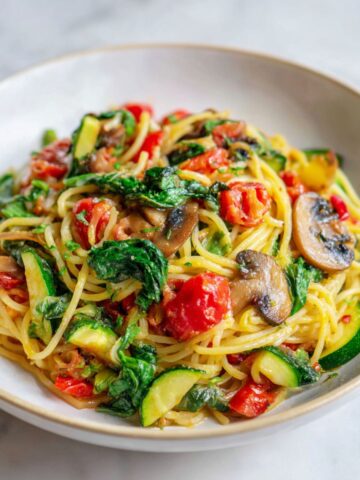
There's something magical about a bowl of creamy, steaming White Sauce Pasta with Vegetables Recipe that brings everyone to the table. I still remember the first time I nailed this dish after countless kitchen experiments; the smile on my daughter's face said it all. This White Sauce Pasta with Vegetables Recipe isn't just another pasta dish; it's comfort in a bowl, where silky white sauce hugs tender pasta and colorful vegetables in every single bite.
What makes this White Sauce Pasta with Vegetables Recipe truly special is how it transforms simple pantry staples into something restaurant-worthy without any fancy techniques or hard-to-find ingredients. Whether you're a complete beginner or someone who's been cooking for years, this White Sauce Pasta with Vegetables Recipe will become your go-to dinner for busy weeknights, surprise guests, or whenever you crave something incredibly satisfying on your plate.
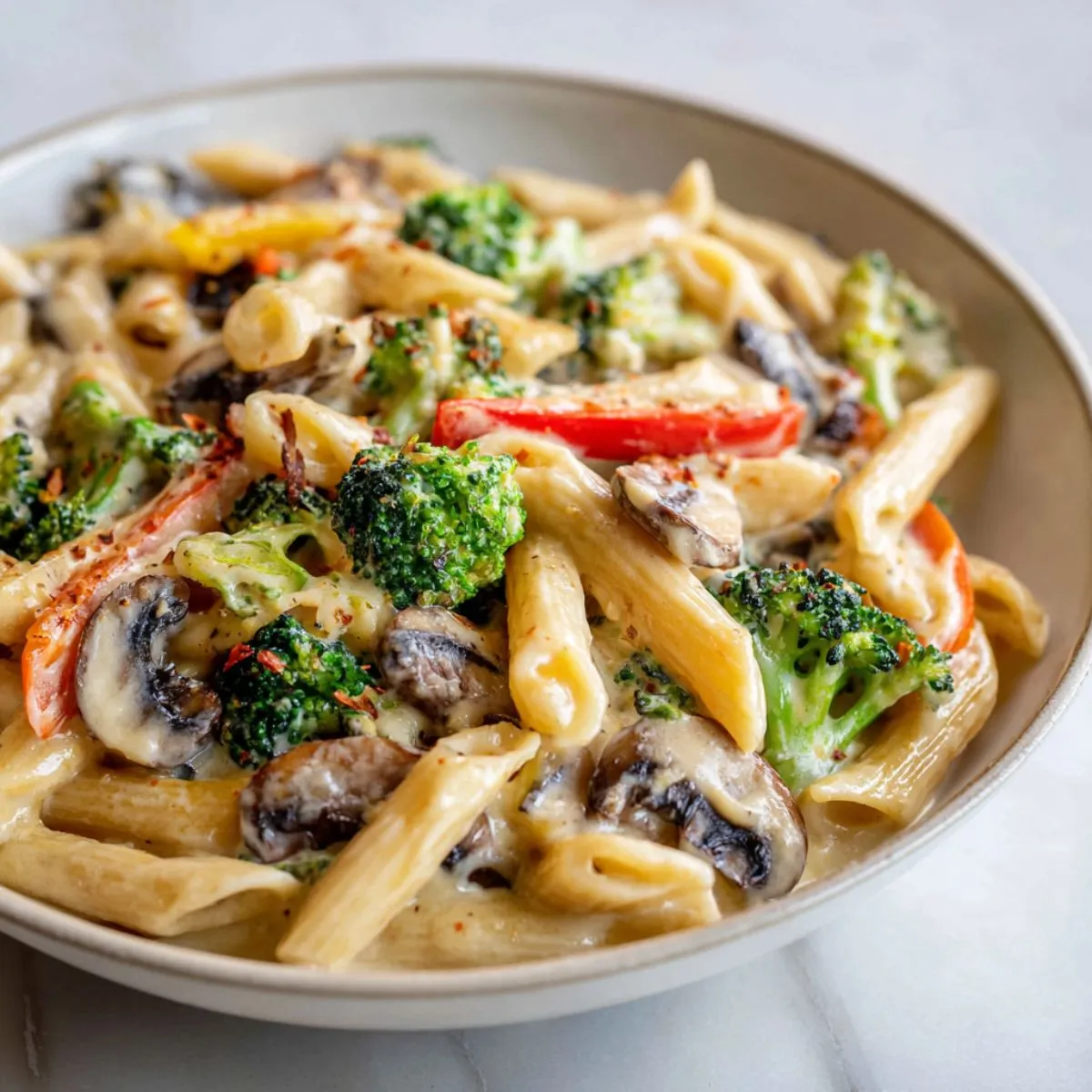
Why This Creamy Veggie Pasta Wins Every Time
This veg white sauce pasta recipe has saved me more times than I can count. The beauty of this homemade white sauce pasta lies in its versatility and how forgiving it is. Unlike traditional Alfredo that can break or become grainy, this method creates a foolproof bechamel sauce pasta recipe that stays smooth and creamy every single time. The secret? It's all in the technique I'm about to share with you.
What sets this vegetable Alfredo pasta apart from others is the balance between richness and freshness. The creamy white sauce pasta with veggies doesn't overpower; instead, it complements the natural sweetness of bell peppers, the earthiness of mushrooms, and the slight crunch of broccoli. This restaurant-style white sauce pasta at home rivals anything you'd pay triple for at an Italian bistro, and your kitchen will smell absolutely incredible while you make it.
Jump to:
Ingredients
For the White Sauce
- Butter
- All-purpose flour (maida)
- Whole milk
- Heavy cream
- Shredded mozzarella cheese
- Grated Parmesan cheese
- Salt and black pepper
For the Pasta and Vegetables
- Fresh parsley for garnish
- Penne or fusilli pasta
- Broccoli florets
- Sliced mushrooms
- Bell pepper (red or yellow), diced
- Sweet corn kernels
- Garlic, minced
- Onion, finely chopped
- Olive oil
- Italian seasoning (or dried oregano and basil)
- Red chili flakes (optional)
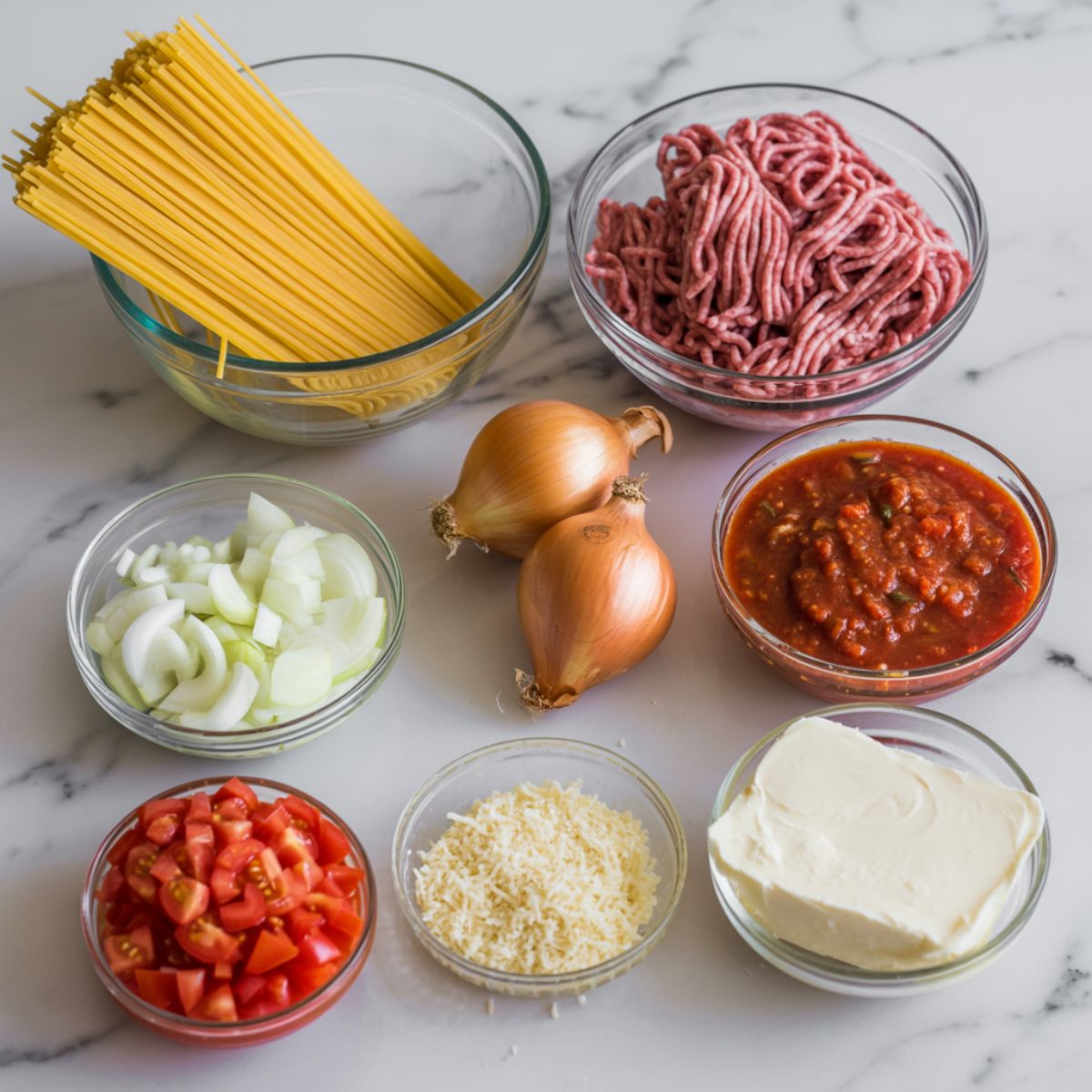
See recipe card for quantities.
Instructions
Preparing Your Ingredients Like a Pro
- Fill a large pot with water, add a generous tablespoon of salt, and bring it to a rolling boil over high heat.
- Add your pasta and cook according to package directions until al dente (usually 8-10 minutes); you want it slightly firm since it'll cook more in the sauce.
- Before draining, scoop out one cup of starchy pasta water and set aside; this is liquid gold for adjusting sauce consistency later.
- Drain the pasta, toss with a tiny drizzle of olive oil to prevent sticking, and set aside.
- While the pasta cooks, prep all your vegetables so everything's ready when you need it; this makes the cooking process smooth and stress-free.
Creating the Perfect Vegetable Base
- Heat olive oil in a large, deep skillet or pan over medium heat until it shimmers slightly.
- Add minced garlic and chopped onions, sautéing for 2-3 minutes until fragrant and the onions turn translucent; don't let the garlic brown or it'll taste bitter.
- Toss in mushrooms first and cook for 3-4 minutes until they release their moisture and start to brown at the edges.
- Add bell peppers, broccoli, and corn to the pan, stirring everything together for another 4-5 minutes until vegetables are tender but still have a slight bite.
- Season with salt, pepper, Italian seasoning, and chili flakes, then transfer the vegetables to a plate and set aside; keeping them separate prevents overcooking.
Making the Creamy White Sauce
- In the same pan (don't wash it; those flavor bits are precious), melt butter over medium-low heat until it foams slightly.
- Sprinkle in the flour and whisk continuously for 1-2 minutes to cook out the raw flour taste; this creates what chefs call a roux.
- Slowly pour in the milk while whisking constantly to prevent lumps from forming; patience here makes all the difference.
- Keep stirring for 4-5 minutes as the sauce gradually thickens to coat the back of a spoon; if it gets too thick, add splashes of that reserved pasta water.
- Stir in the heavy cream, then remove from heat and add both cheeses, stirring until they melt completely into a silky, smooth sauce.
- Taste and adjust seasoning; this is your moment to make it perfect for your palate.
Bringing It All Together
- Serve immediately while it's hot and creamy; this easy white sauce pasta recipe for beginners tastes best fresh from the pan.
- Return the cooked vegetables to the pan with the white sauce, stirring gently to coat everything evenly.
- Add the cooked pasta and toss everything together, adding pasta water a little at a time if the sauce seems too thick; you want it to coat the pasta without pooling at the bottom.
- Let everything warm together for 2-3 minutes on low heat, allowing the flavors to marry beautifully.
- Garnish with fresh chopped parsley and an extra sprinkle of Parmesan cheese if desired.
Expert Cooking Tips
- Temperature Control is Everything Keep your heat at medium or medium-low when making the sauce. High heat causes the flour to brown too quickly and can make your milk curdle or stick to the bottom of the pan. Low and slow wins this race every single time.
- The Roux Rule Cook your butter and flour mixture for at least 90 seconds before adding milk. This removes the raw flour taste that can make your sauce taste pasty. The mixture should be golden and smell slightly nutty; that's when you know it's ready.
- Pasta Water Magic Never skip saving that starchy pasta water. It contains natural starches that help the sauce cling to the pasta better than regular water ever could. Add it tablespoon by tablespoon until you reach your perfect consistency.
- Cheese at the Right Moment Always remove the pan from direct heat before adding cheese. Direct heat can cause cheese proteins to seize up and become stringy or grainy instead of smooth and creamy. Residual heat melts it perfectly.
- Vegetable Timing Matters Different vegetables cook at different rates. Add harder vegetables like broccoli first, followed by softer ones like bell peppers and corn. This ensures everything reaches perfect doneness at the same time without anything turning mushy.
- Fresh Versus Dried Herbs If using fresh herbs instead of dried Italian seasoning, add them at the end of cooking. Fresh herbs lose their vibrant flavor when cooked too long, while dried herbs need time to rehydrate and release their oils.
- The Al Dente Advantage Cook pasta one minute less than the package suggests. It'll finish cooking in the sauce, absorbing all those incredible flavors while maintaining that perfect bite. Mushy pasta ruins even the best white sauce pasta with vegetables recipe.
Recipe Variations & Substitutions
- Protein Additions Transform this vegetarian masterpiece into a heartier meal by adding grilled chicken strips, sautéed shrimp, or pan-fried tofu cubes. Cook your protein separately and add it during the final toss to keep everything at the perfect texture.
- Dairy-Free Version Swap butter for vegan butter or olive oil, use unsweetened almond or cashew milk instead of dairy milk, and replace cheese with nutritional yeast or cashew cream. The sauce won't be identical but still delivers impressive creaminess.
- Gluten-Free Adaptation Use your favorite gluten-free pasta and replace all-purpose flour with cornstarch (use 1 tablespoon instead of 2 tablespoons). The sauce will be slightly different in texture but equally delicious.
- Indian-Style Twist Add ½ teaspoon garam masala, a pinch of turmeric, and some green chilies to create a white sauce pasta Indian style. This fusion brings familiar spices to a Western dish and tastes absolutely phenomenal.
- Vegetable Swaps Feel free to use whatever vegetables you have on hand. Zucchini, carrots, green beans, peas, cherry tomatoes, or spinach all work beautifully. Just adjust cooking times based on how tender or crispy you want them.
- Lighter Version Use low-fat milk, skip the heavy cream, and reduce cheese by half. Add extra garlic, herbs, and a squeeze of lemon juice at the end to boost flavor without added calories.
- Mayo Addition Some people love adding 2 tablespoons of mayonnaise to the sauce for extra tanginess and richness. Stir it in after removing from heat along with the cheese for a restaurant-style twist.
Equipment Recommendations
- Large pot (at least 6-quart) ; essential for cooking pasta with enough room to move freely
- Deep skillet or sauté pan (12-inch) ; gives you space to toss everything together without spills
- Whisk ; absolutely necessary for lump-free white sauce
- Wooden spoon or silicone spatula ; for stirring vegetables and pasta without scratching your pan
- Colander ; to drain pasta quickly and efficiently
- Measuring cups and spoons ; accurate measurements make consistent results
- Sharp chef's knife and cutting board ; makes vegetable prep quick and safe
- Grater ; for freshly grated cheese that melts smoother than pre-shredded
Storage & Meal Prep Tips
Refrigerator Storage
- Transfer leftover pasta to an airtight container and refrigerate for up to 3 days. The sauce will thicken as it cools; that's completely normal. When reheating, add a splash of milk or cream and warm gently over medium-low heat, stirring frequently. Microwave works too; just heat in 30-second intervals, stirring between each.
Freezer Storage
- This creamy pasta with vegetables recipe can be frozen, though the texture changes slightly. Place cooled pasta in freezer-safe containers or bags, removing as much air as possible. Freeze for up to 2 months. Thaw overnight in the refrigerator before reheating. Add fresh milk or cream when warming to restore creaminess.
Meal Prep Strategy
- Cook pasta and vegetables ahead of time and store separately from the sauce. When ready to eat, make fresh white sauce (it only takes 10 minutes) and combine everything. This keeps the pasta from absorbing too much sauce and becoming mushy.
Best Reheating Method
- Add 2-3 tablespoons of milk or cream to the pasta before reheating. Warm in a covered pan over low heat, stirring occasionally until heated through. This revives the sauce's creamy texture and prevents it from drying out.
The Game-Changer Your Pasta Has Been Missing
Here's something most recipes won't tell you: let your white sauce rest for exactly 3 minutes after you've added all the cheese. During this brief pause, the residual heat continues working its magic, allowing the cheese proteins to fully incorporate without breaking. The result? A glossy, velvety sauce that clings to every piece of pasta in your white sauce pasta with vegetables recipe instead of separating or looking grainy.
Another secret that transformed my cooking forever is adding one teaspoon of Dijon mustard to the finished sauce. It sounds unusual, but this tiny addition amplifies all the other flavors without making anything taste mustardy. The mustard's acidity cuts through the richness and makes your homemade white sauce pasta taste like it came from an expensive Italian kitchen. Trust me on this; it's the difference between good pasta and unforgettable white sauce pasta with vegetables recipe that people ask about for weeks.
FAQ
What vegetables go in white sauce pasta?
Classic choices include broccoli, bell peppers, mushrooms, corn, and carrots. You can also add zucchini, peas, cherry tomatoes, or spinach. The key is choosing vegetables that complement each other in texture and cook in similar timeframes. For this white sauce pasta with vegetables recipe, I recommend using at least three different colored vegetables for visual appeal and nutritional variety.
What can be added to white sauce pasta?
Beyond vegetables, you can add grilled chicken, shrimp, bacon bits, sun-dried tomatoes, or olives. Fresh herbs like basil or parsley brighten the dish, while a squeeze of lemon juice adds freshness. Some people love adding a splash of white wine to the sauce or sprinkling red chili flakes for heat. The white sauce pasta with vegetables recipe is incredibly adaptable to your taste preferences.
How to make white sauce for vegetables?
Start by making a roux with equal parts butter and flour, cooking for 2 minutes. Gradually whisk in milk until smooth and thickened. Remove from heat and stir in cheese until melted. Season with salt, pepper, and nutmeg if desired. This bechamel-style sauce works perfectly for the white sauce pasta with vegetables recipe and can be made in under 10 minutes once you get the technique down.
What veggies can I add to my pasta?
Almost any vegetable works! Quick-cooking options include bell peppers, zucchini, mushrooms, and spinach. Heartier vegetables like broccoli, carrots, and cauliflower should be blanched first or added earlier in the cooking process. Frozen mixed vegetables are a convenient shortcut that saves prep time. For the best white sauce pasta with vegetables recipe, choose vegetables you genuinely enjoy eating for maximum satisfaction.
Your Next Comfort Food Adventure Awaits
Now that you've mastered this white sauce pasta with vegetables recipe, you're ready to tackle even more delicious comfort food. If you loved the creamy, satisfying nature of this dish, you absolutely need to try my Cream Cheese Empanadas Recipe. These golden, crispy pockets filled with smooth cream cheese filling share that same indulgent quality that makes this white sauce pasta with vegetables recipe so irresistible.
For dessert lovers looking to continue the comfort food journey, my Coconut Flan Cake Recipe offers the perfect sweet ending to your pasta dinner. The combination of caramel, coconut, and custard creates a dessert as memorable as this white sauce pasta with vegetables recipe is for dinner. Both recipes use simple techniques that deliver show-stopping results, just like the pasta dish you've just learned to make. Your family will think you've been secretly attending culinary school!
With love from my kitchen-By Lisa Johnson💛
Related
Looking for other recipes like this? Try these:


Pairing
These are my favorite dishes to serve with White Sauce Pasta with Vegetables Recipe




White Sauce Pasta with Vegetables Recipe
Equipment
- 1 Large pot (6-quart)
- 1 Deep skillet or sauté pan (12-inch)
- 1 Whisk
- 1 Wooden spoon or silicone spatula
- 1 Colander
- 1 Measuring cups and spoons
- 1 Chef’s knife and cutting board
- 1 Grater
Ingredients
White Sauce Base
- 2 tablespoon Butter Forms the roux base
- 2 tablespoon All-purpose flour (maida) Swap with cornstarch for gluten-free
- 2 cups Whole milk Full-fat preferred for creaminess
- 0.5 cup Heavy cream Optional; can use milk instead
- 1 cup Shredded mozzarella cheese Adds creamy stretch
- 0.25 cup Grated Parmesan cheese Adds nutty depth
- Salt and black pepper To taste
Pasta & Vegetables
- 300 g Penne or fusilli pasta Cook until al dente
- 1 cup Broccoli florets Blanch to keep vibrant
- 1 cup Sliced mushrooms Button or cremini work well
- 1 medium Bell pepper (red or yellow) Diced
- 0.5 cup Sweet corn kernels Frozen works fine
- 3–4 cloves Garlic Minced
- 1 small Onion Finely chopped
- 2 tablespoon Olive oil For sautéing
- 1 teaspoon Italian seasoning Or oregano + basil
- 0.25 teaspoon Red chili flakes Optional, for heat
- Fresh parsley For garnish
Instructions
- Boil pasta in salted water until al dente; reserve 1 cup pasta water.
- Sauté garlic and onions in olive oil until fragrant.
- Add mushrooms, bell peppers, broccoli, and corn; cook until tender.
- Melt butter in the same pan, whisk in flour to make roux.
- Gradually add milk while whisking until sauce thickens.
- Stir in cream and cheeses off heat until melted and smooth.
- Return vegetables to sauce, add pasta, and toss well.
- Adjust consistency with pasta water; season to taste.
- Garnish with parsley and extra Parmesan before serving.
Notes
- Nutrition information is automatically calculated, so should only be used as an approximation.
Leave a Reply